
The Power of Ease: Supporting Mental Health in Everyday Life
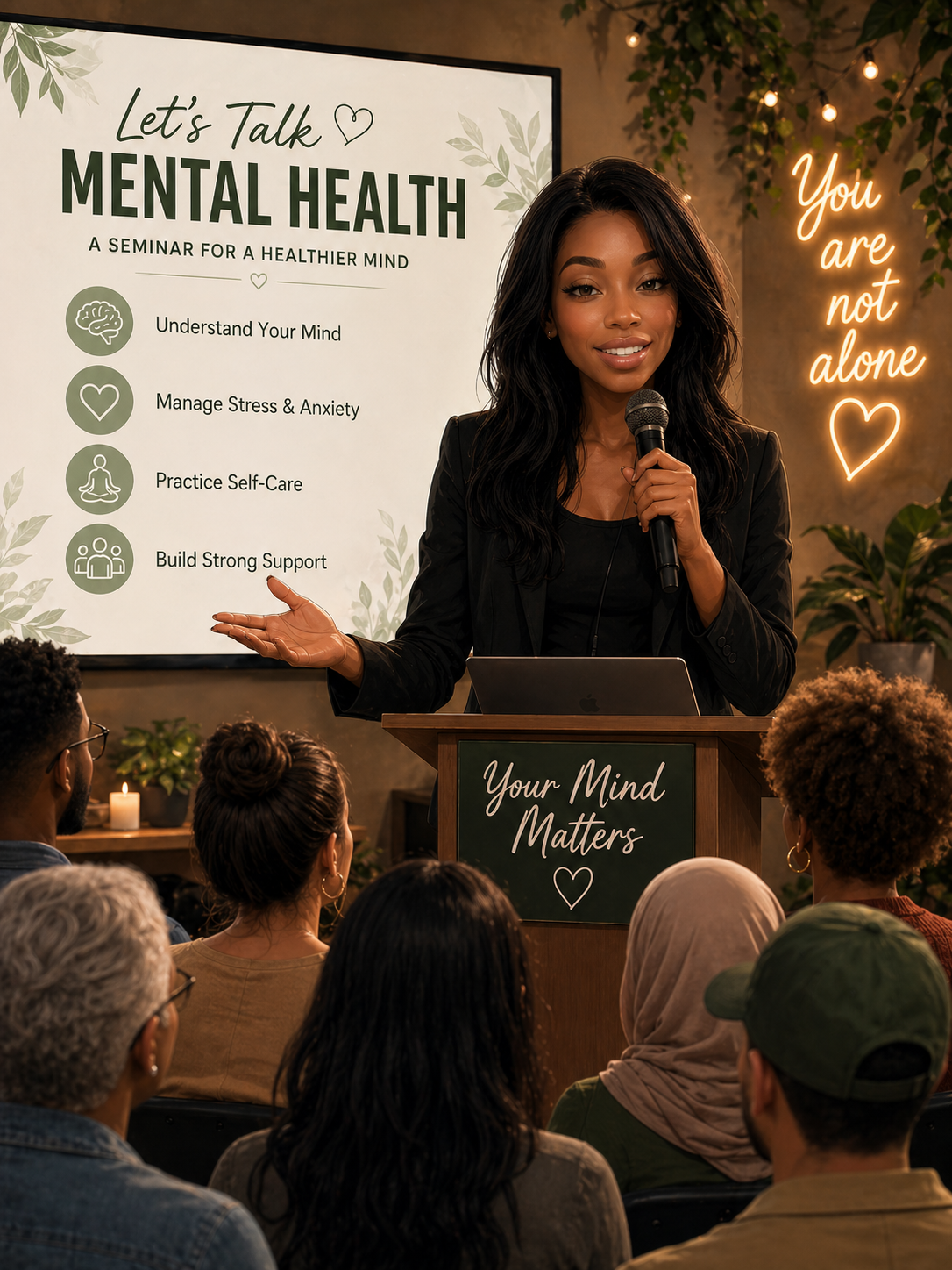
By YaSheika “Yaya” Solomon
PhD (c), Psychology | Author of The Psychology of Ease
May is a meaningful month of awareness, highlighting issues that touch nearly every family in some way: Women’s Health, Mental Health Awareness, and Stroke Awareness. While these topics are often discussed separately, they are deeply connected through one common thread: overall well-being. Mental health affects more than mood. It can influence sleep, relationships, emotional balance, concentration, blood pressure, heart health, and overall quality of life. When emotional strain goes unaddressed over time, it may also contribute to physical health risks, including those associated with cardiovascular disease and stroke. Caring for mental health is also part of caring for physical health and supporting a healthier, more balanced life.
Too often, people think of mental health only in moments of crisis. In reality, mental wellness is shaped quietly through everyday life. It is reflected in how we speak to ourselves, how much pressure we normalize, how often we ignore exhaustion, and whether we make room for recovery. Someone may appear productive, dependable, and “fine” while privately carrying anxiety, grief, burnout, or emotional overload. Recognizing these quieter signs matters.
How Mental Strain Often Shows Up
Mental and emotional overload does not always present itself loudly. Sometimes it appears in ways we dismiss as “just life.” It can look like:
· Snapping at loved ones
· Feeling impatient over small things
· Forgetting simple tasks
· Waking up tired
· Trouble sleeping
· Emotional eating
· Headaches
· Constant worry or overthinking
· Withdrawing from others
· Feeling numb or emotionally drained
· Feeling like the mind never turns off
For some, emotional strain can also show up physically through tight shoulders, jaw clenching, stomach discomfort, fatigue, racing thoughts, or a sense of always being on edge. When these patterns become frequent, they may be signals that the mind and body need care.
How Mental Health Can Affect Different Groups
Women
Many women carry multiple roles at once: caregiver, professional, parent, partner, organizer, emotional support system. In trying to hold everything together, many place themselves last. Over time, this can contribute to burnout, anxiety, disrupted sleep, emotional exhaustion, resentment, reduced self-care, and delayed attention to their own health needs. Research consistently shows women report higher levels of stress, anxiety, and depression in many settings. Supporting women’s health often begins with rest, boundaries, shared responsibility, and permission to receive support.
Men
Many men are socialized to suppress emotion, carry burdens privately, or believe they must always remain strong. Societal gender roles can sometimes make vulnerability feel discouraged. This can lead to isolation, irritability, emotional shutdown, unhealthy coping habits such as substance misuse, emotional avoidance, anger outbursts, overworking, or withdrawing from relationships, or delaying support until distress becomes severe. Creating space where men can speak honestly, seek help early, and be supported without judgment can improve both emotional and physical well-being.
Teens and Young Adults
Young people today often navigate academic pressure, identity development, peer dynamics, family stress, and constant social comparison through social media and digital life. Mental health struggles may appear as mood changes, anxiety, sleep disruption, withdrawal, or loss of motivation. Early support, trusted adults, healthy coping tools such as journaling, movement, creative outlets, mindfulness practices, and open conversation, along with emotionally safe environments, can make a lasting difference during these formative years.
The Added Weight of Financial Pressure
Many households are also carrying the strain of rising costs: housing, groceries, utilities, transportation, insurance, and everyday necessities. Even hardworking families may feel stretched thin. Financial pressure can create ongoing worry, relationship tension, sleep problems, and a constant sense of pressure to keep up, make ends meet, and stay afloat. Acknowledging this reality without shame is an important part of protecting mental health.
Why Ease Matters
This is where the practice of ease becomes powerful and supportive of overall well-being. Ease is not laziness. It is not avoidance, and it is not pretending life is perfect. Ease is learning how to move through life without fighting yourself internally. It is choosing steadiness over constant struggle. It is understanding that boundaries, peace, emotional regulation, and rest are forms of strength. In a world that often rewards overextension, ease can be an act of wisdom that protects both mind and body.
Three Simple Ways to Invite More Ease into the Day
1. The 60-Second Breathing Reset
Pause wherever you are. Inhale through the nose for a count of four. Hold for four. Exhale slowly for six. Repeat five times.
This simple reset can help calm the nervous system and return attention to the present moment.
2. Release Physical Tension
Notice where strain or pressure is being stored in the jaw, shoulders, stomach, or hands.
Unclench the jaw. Lower the shoulders. Relax the hands. Take one slow belly breath and allow the body to soften.
3. Practice a Gentle Release
At the end of the day, take a quiet moment to identify something that does not need to be carried into tomorrow. It may be worry, unrealistic pressure, self-criticism, something unresolved, or the weight of something someone said or did.
Allow yourself permission to set it down, even temporarily, and meet the next day with a lighter mind.
A Final Thought
Mental health support can begin in many ways: therapy, faith, movement, rest, community, healthy boundaries, or one honest conversation. It can also begin with small daily acts, such as listening to a favorite song or calming playlist during traffic, taking a short walk, or pausing for a few steady breaths. Support does not have to be a major life change to be meaningful.
This month, consider one question:
What would it look like to choose ease in one area of my life?
Sometimes healing does not begin with doing more. Sometimes it begins with carrying less.
Helpful Resources